
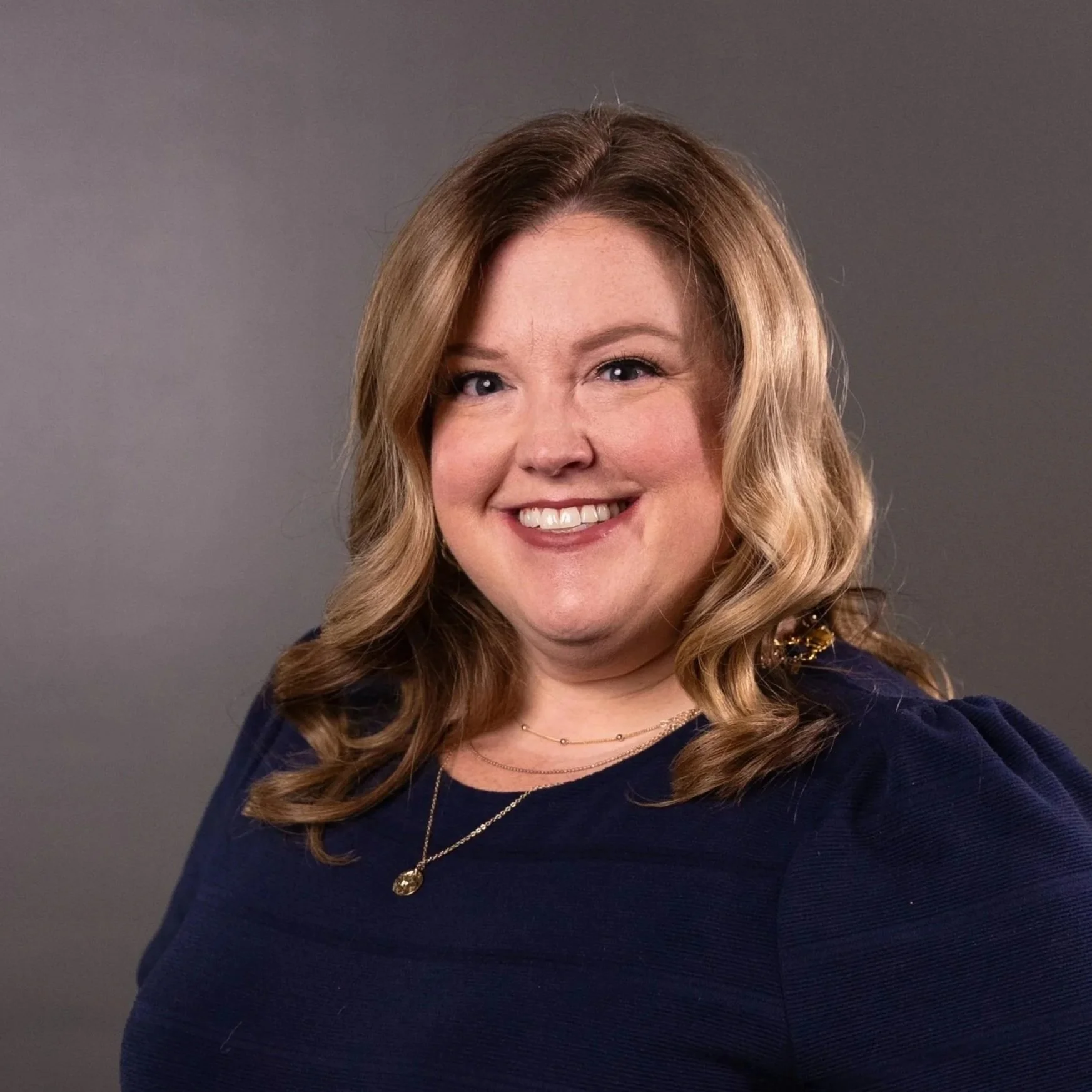
Kristi Wiley
MFA | Suicide Prevention Consultant | QPR Master Trainer | National Speaker
Kristi Wiley, MFA, is a nationally recognized suicide prevention strategist, trainer, and speaker with more than two decades of leadership in nonprofit management, education, and community engagement. As a QPR Master Trainer, she has trained more than 16,000 educators, students, parents, healthcare professionals, first responders, faith leaders, and community members across the country to recognize the warning signs of suicide and confidently intervene to save lives.
Kristi most recently served as Vice President of Programs for The Jordan Elizabeth Harris Foundation, where she helped lead one of the nation's most comprehensive community-based youth suicide prevention initiatives. During her tenure, she partnered with school districts, colleges, healthcare systems, businesses, law enforcement agencies, and community organizations to implement sustainable, evidence-informed suicide prevention strategies that reached thousands of young people and adults each year.
Widely recognized for her expertise in peer-to-peer prevention, school mental health systems, and community collaboration, Kristi has helped schools and organizations move beyond awareness campaigns to build cultures of connection, belonging, and early intervention. She has extensive experience implementing comprehensive prevention frameworks, coaching leadership teams, developing instructor networks, and integrating suicide prevention into existing systems of care.
A sought-after presenter and facilitator, Kristi combines research, practical application, and authentic storytelling to equip audiences with the knowledge and confidence to have life-saving conversations. Her work emphasizes that suicide prevention is not the responsibility of one profession or one program—it is a shared community commitment.
At the Sam Asbury Foundation, Kristi serves as Suicide Prevention Consultant, helping advance the Foundation's mission through its three pillars of Awareness, Prevention, and Hope by expanding evidence-based training, strengthening school and community partnerships, and developing strategies that empower people to recognize risk, intervene with confidence, and create communities where every person feels seen, supported, and connected.